

Diverse Treasures: The Art Institute of Chicago's Remarkable 2025 Acquisitions
The Art Institute of Chicago (AIC), one of the world's premier art museums, continues to enrich its vast collection with strategic acquisitions that span centuries, cultures, and artistic mediums. In 2025, the institution made several intriguing additions, ranging from rare European portraits and biblical narratives to Indigenous-inspired landscapes and historic Asian textiles. These acquisitions not only highlight the museum's commitment to diversity and historical depth but also underscore the curatorial vision to fill gaps in its holdings. From purchases at prestigious art fairs like the European Fine Art Foundation (TEFAF) to targeted acquisitions of underrepresented artists, the AIC's 2025 haul reflects a blend of persistence, scholarship, and serendipity. This article delves into these key additions, exploring their artistic significance, historical contexts, and the stories behind their arrivals at the museum.
As Sarah Kelly Oehler, vice president of curatorial strategy at the AIC, noted in discussions about one of the pieces, the acquisitions often involve pieces of exceptional rarity and condition. Similarly, curators like Jay A. Clarke have emphasized the long hunts for works that truly resonate with the museum's narrative. By incorporating these new works, the AIC strengthens its role as a global custodian of art history, offering visitors fresh perspectives on themes like identity, power, and cultural exchange.
A Pioneering Portrait: Christian Schad's Portrait of Composer Josef Matthias Hauer (1927)
One of the standout acquisitions is the Portrait of Composer Josef Matthias Hauer by Christian Schad, a key figure in the New Objectivity movement. Painted in 1927, this work marks the first portrait by Schad to enter a U.S. museum collection, filling a notable gap in the AIC's holdings of early 20th-century European art. Schad's style, characterized by sharp realism and psychological depth, captures Hauer—the innovative Austrian composer known for his atonal music theories—with an intense gaze and meticulous detail. The portrait reflects the interwar period's cultural ferment in Vienna, where art and music intersected amid social upheaval.
This acquisition underscores the AIC's interest in interdisciplinary figures, linking visual art with musical innovation. As the museum expands its modern European collection, this piece joins works by contemporaries like Otto Dix, providing a broader view of the Weimar-era aesthetic.
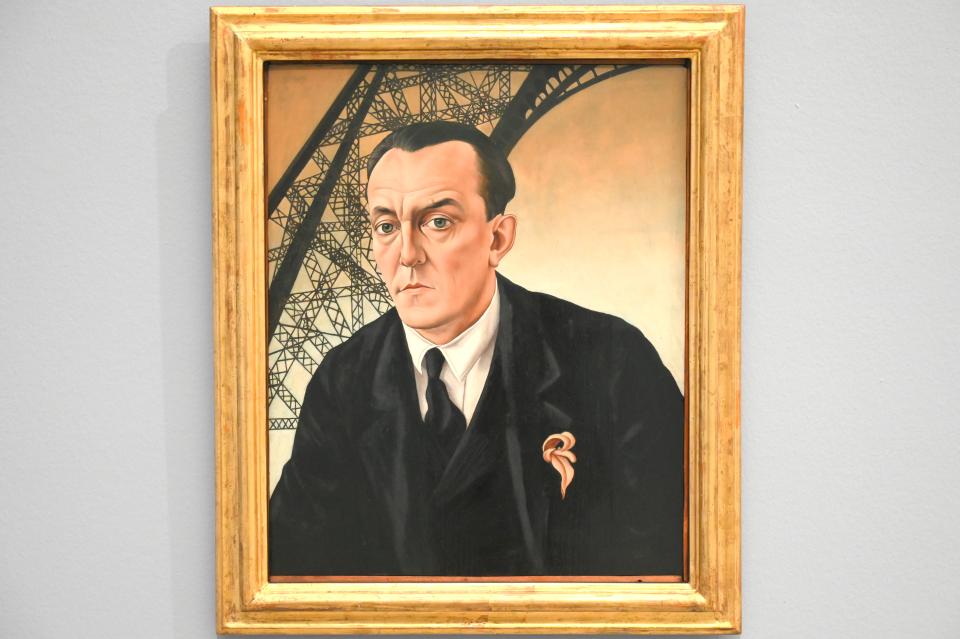
(Image source: Kunstbeziehung - Bildnis Josef Matthias Hauer)
Indigenous Perspectives: Kay WalkingStick's The Silence of Glacier (2013)
Adding a contemporary voice to the collection is The Silence of Glacier by Kay WalkingStick, a Cherokee artist renowned for her landscape paintings that blend Native American heritage with environmental themes. Created in 2013, this oil on panel diptych depicts Montana's Glacier National Park, evoking the quiet majesty of nature while subtly addressing issues of land stewardship and Indigenous sovereignty. WalkingStick's work often layers abstract patterns over realistic scenery, drawing from her dual heritage to create dialogues between tradition and modernity.
This acquisition enhances the AIC's focus on Native American art, aligning with broader efforts to diversify museum narratives. It resonates with the institution's existing holdings in American landscape painting, offering a fresh, Indigenous lens on environmental concerns in the face of climate change.

(Image source: Hales Gallery - Kay WalkingStick Exhibition)
Haunting Introspection: Léon Spilliaert's Self-Portrait on a Blue Background (1907/1908)
After a decade-long search, the AIC secured Self-Portrait on a Blue Background by Belgian artist Léon Spilliaert. Dating to 1907 or 1908, this drawing captures the artist's youthful introspection with a haunting intensity, using stark contrasts and a piercing gaze against a moody blue backdrop. Spilliaert, associated with Symbolism and early Expressionism, often explored themes of isolation and existential angst in his coastal Ostend hometown.
Jay A. Clarke, curator of prints and drawings, described it as "haunting and powerful," noting that the museum had passed on lesser works while waiting for this exemplary piece. Purchased at TEFAF Maastricht, it bolsters the AIC's collection of early 20th-century drawings, providing a bridge between fin-de-siècle symbolism and modern psychological portraiture.
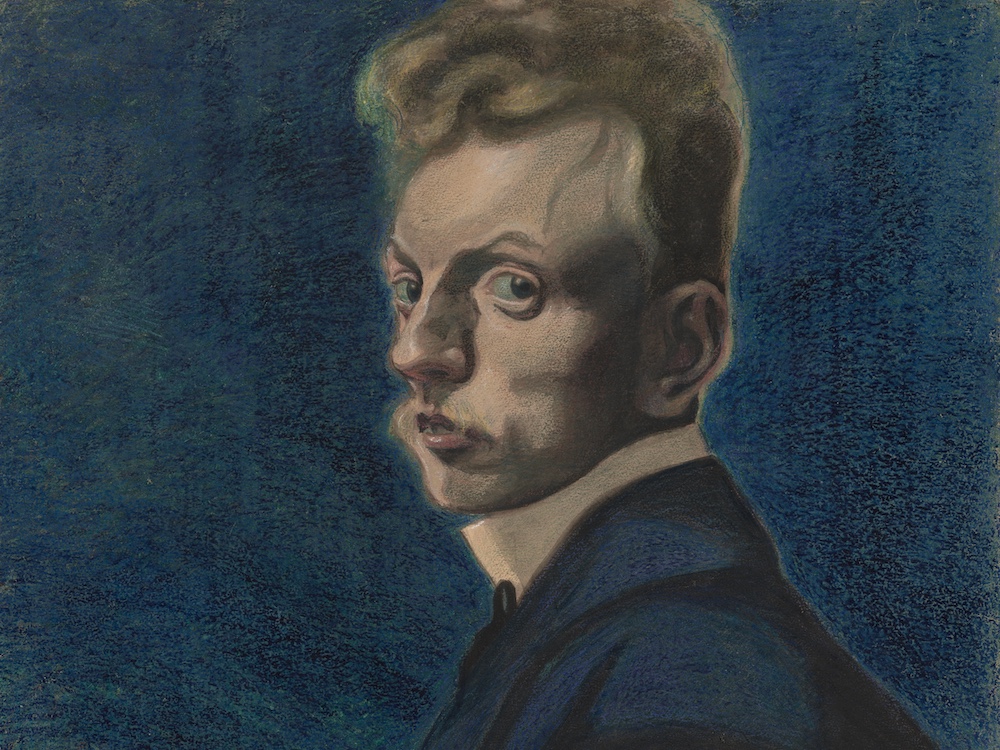
(Image source: Apollo Magazine - Acquisitions of the Month)
Biblical Drama: Frans Francken II's Esther Before Ahasuerus (1622)
Delving into Baroque narrative, the AIC acquired Esther Before Ahasuerus by Flemish painter Frans Francken II. Painted in 1622, this oil on panel depicts the biblical heroine Esther kneeling before King Ahasuerus, pleading for her people's salvation—a pivotal moment from the Book of Esther. Francken's dynamic composition, rich colors, and detailed figures exemplify the Antwerp school's storytelling prowess during the Counter-Reformation era.
This work adds to the museum's strong holdings in Flemish Baroque art, complementing pieces by Peter Paul Rubens. It highlights themes of courage and intercession, resonating with contemporary discussions on gender and power in historical art.

(Image source: Art Institute of Chicago - Esther Before Ahasuerus)
Royal Splendor: A Nayaka Nobleman with Courtiers and Courtesans (Mid-17th Century)
Among the most rare acquisitions is a mid-17th-century hand-painted and dyed cotton hanging from India's Tamil Nadu region, titled A Nayaka Nobleman with Courtiers and Courtesans. Created during the Nayaka dynasty, this textile narrates vibrant court life with intricate scenes of nobility, musicians, and attendants. Measuring impressively large and in remarkable condition, it represents one of only a few known examples of such works.
Sarah Kelly Oehler praised its "magnificent scale" and "amazing condition," emphasizing its rarity. This piece enriches the AIC's Asian art collection, illustrating the global trade in textiles and the fusion of Indian artistic traditions with influences from Portuguese and Dutch merchants.

(Image source: Newcity - Art Institute Collection Grows)
Modern Design: Jaime Gutiérrez Lega's Ovejo Armchair (1972)
Expanding into Latin American design, the AIC added the Ovejo Armchair by Colombian artist and designer Jaime Gutiérrez Lega. Crafted in 1972, this sculptural chair combines organic forms with functional elegance, reflecting mid-century modernist influences while incorporating local craftsmanship. Gutiérrez Lega's work often blurs the line between furniture and art, emphasizing materiality and comfort.
This acquisition supports the museum's growing focus on 20th-century design from the Americas, pairing well with its architecture and design department's emphasis on innovative seating.
(Image source: Instagram - Jaime Gutierrez Lega)
Ceramic Heritage: Early Meissen Stoneware and Porcelain Figures and Vessels
The AIC also bolstered its decorative arts collection with early Meissen porcelain figures and vessels, originating from the famed German factory established in 1710. These pieces, including stoneware and hard-paste porcelain, showcase the evolution of European ceramics, with intricate modeling and glazing techniques that revolutionized the medium.
As some of the earliest examples, they highlight the AIC's interest in the history of porcelain production, connecting to broader narratives of technological innovation and royal patronage in 18th-century Europe.

(Image source: Auctions Appraisers - Meissen Figures)
Ethereal Photography: Francesca Woodman's Untitled from the Caryatid Series (1980)
Finally, the museum acquired Untitled from the “Caryatid” series by American photographer Francesca Woodman. Created around 1980, this black-and-white print explores themes of the female form, architecture, and ephemerality, with Woodman's body merging into classical motifs like caryatids—sculpted female figures serving as columns.
Woodman's introspective and often surreal work, produced during her short life (1958–1981), adds a poignant layer to the AIC's photography collection, emphasizing feminist perspectives in late 20th-century art.
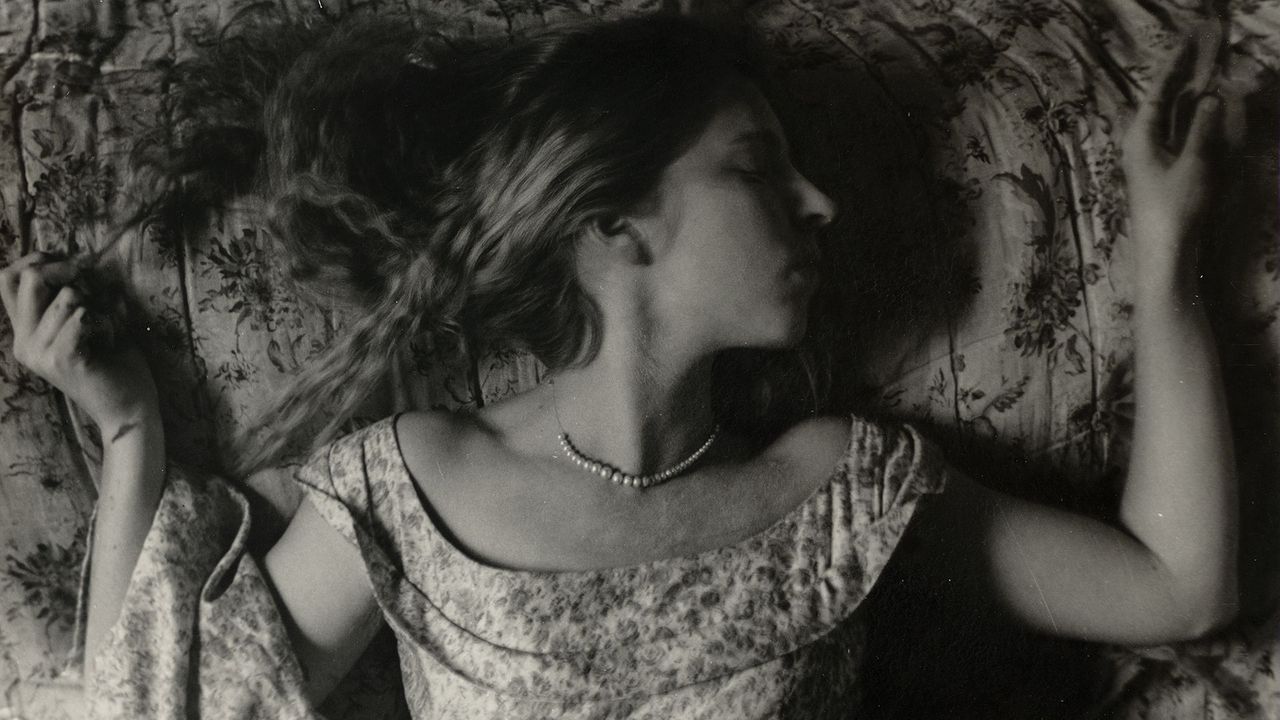
(Image source: BBC Culture - Francesca Woodman)
Broader Implications and Future Exhibitions
These 2025 acquisitions demonstrate the AIC's multifaceted approach to collecting, prioritizing rarity, diversity, and scholarly value. From filling historical gaps to amplifying underrepresented voices, the new works promise to inspire future exhibitions and research. While specific display plans remain forthcoming, they are likely to integrate into the museum's rotating galleries, enhancing visitor experiences across departments.
FAQ
Q: What is the significance of the Art Institute of Chicago's 2025 acquisitions? A: These acquisitions add diversity and depth to the museum's collection, including rare pieces like the first U.S.-held portrait by Christian Schad and a unique Nayaka dynasty textile, reflecting a commitment to global art history.
Q: How were some of these artworks acquired? A: Several, such as Léon Spilliaert's self-portrait, were purchased at art fairs like TEFAF Maastricht, while others resulted from curatorial searches spanning years.
Q: Who are some key artists featured in the acquisitions? A: Highlights include Christian Schad, Kay WalkingStick, Léon Spilliaert, Frans Francken II, Jaime Gutiérrez Lega, and Francesca Woodman.
Q: What makes the Nayaka dynasty textile particularly rare? A: Only a few such mid-17th-century hand-painted cotton hangings from Tamil Nadu are known, with this example noted for its magnificent scale and excellent condition.
Q: Are these new acquisitions on display? A: Display details vary; visitors should check the AIC website for updates on exhibitions featuring recent additions.
Q: How can I learn more about the Art Institute of Chicago? A: Visit the official AIC website for collection details, virtual tours, and event information.